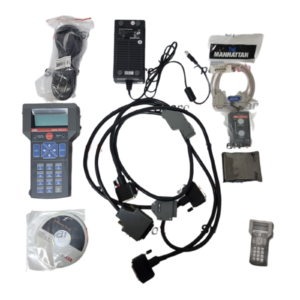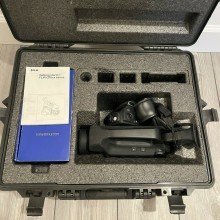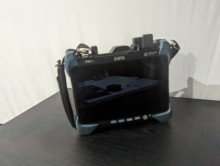
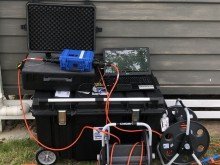
Dolang DBS280B 24-Channel Digital Seismograph
The Dolang DBS280B is a 24 channel digital seismograph for engineering and shallow seismic surveys made by Dolang Geophysical of Genoa Italy. It is a portable recording system for seismic acquisition on land and users have applied it to downhole shear and compression wave velocity measurements and to multichannel analysis of surface waves (MASW) at construction sites. DOLANG DBS280B It records the signals from geophones as a source such as a hammer and plate or beam generates seismic waves and it supports geotechnical, civil engineering and shallow exploration work.
Key Features DOLANG DBS280B
- 24 recording channels: configurable to record up to 24 channels of geophone data for refraction, MASW and downhole work
- Digital seismograph design: records seismic waveforms digitally for field QC and later processing
- Works with standard geophones: used with surface geophone spreads and with three component downhole geophones (for example 14 Hz)
- Trigger input: takes a zero time signal from an impact sensor on a hammer or other source
- Adjustable acquisition parameters: sampling and filtering are set for the survey with different low pass filters used for different wave types such as shear waves
- Part of a complete seismic kit: typically used with seismic cables on reels, a trigger cable, geophones and a notebook computer for control and display
- Field-ready: built for site investigation work from the bench to the field
- Backed by an established manufacturer: Dolang has designed and supported seismic acquisition equipment for more than 35 years
Typical Applications
- Seismic refraction surveys for bedrock depth and soil layering
- Multichannel analysis of surface waves (MASW) for shear wave velocity profiling
- Downhole seismic testing for P and S wave velocities
- Geotechnical investigations for ports, dams, bridges, and buildings
- Shallow engineering and groundwater exploration
- Education and research in near surface geophysics
Why Choose It
The DOLANG DBS280B gives engineers and geophysicists a straightforward 24 channel recording system for the most common near surface seismic methods. It works with standard geophones and sources so it fits into existing field practice.